
 Женщины при выборе формы оправ стремятся к улучшению своей внешности, подчеркнуть свои достоинства, и скрыть некоторые недостатки. А для мужчины очень важно найти, а также подчеркнуть собственный стиль, статус и образ. Яркий штрих мужского индивидуального имиджа – непростая задача, но при знании особенностей лица и правил выполнима.
Для правильного подбора аксессуара следует учесть свою форму лица, и знать некоторые правила.
Какой ваш стиль?
Попробуйте одним словом охарактеризовать собственный стиль: элегантный, повседневный или спортивный… Наиболее часто вы носить деловой (официальный) костюм или предпочитаете городской стиль кэжуал, где свободно можно надеть шорты, цветную футболку и кожаные шипованные аксессуары?
Оправа очков напрямую зависит от стиля и дресс-кода одежды. Лучше выбрать универсальную модель, ведь аксессуар должен сочетаться как с деловым строгим костюмом, на концерте, так и на вечеринке и других мероприятиях (стадионе, встрече с друзьями и пр.).
В тренде разнообразные оттенки оправ: переливы, принты и яркие синие, красные и неоновые тона. Но для ежедневной носки лучше приобрести традиционные чёрные, коричневые, серебристые либо золотистые оттенки.
 Кто предпочитает спортивный стиль или смелые решения, тогда подойдут узкие спортивные оправы, которые существуют для разных видов спорта. Их любят студенты, подростки и творческие личности.
Основные правила подбора очков для мужчин
 Чтобы знать, какие мужские очки подобрать, сначала остановимся на основных правилах, которые нужны учитывать:
- Очки должны тщательно скрывать любые недостатки, например, широкие скулы, длинный нос, острый подбородок, тяжёлую челюсть и др.
- Обязательно нужно подобрать очки не только красивые, стильные, но и комфортные, ведь от этого будет зависеть здоровье глаз.
- Неправильно подобранная форма очков снизят привлекательность мужчины.
- Выбранная оправа очков не должна повторять форму лица.
- Если у вас широко посажены глаза, то их удачно уменьшит широкий либо яркий мостик (перемычка на носу). А уменьшить расстояние поможет тонкий светлый мостик.
Важно! Возможны небольшие отклонения при ширине оправы (уже или чуть шире лица), но при большой разнице, особенно при маленьком лице, могут резко ухудшить внешность мужчине.
Как определить форму лица?
После выбора стиля следует определиться с формой лица.
Визуальный способ
Самый элементарный способ – подойти к зеркалу, затем убрать волосы назад (если чёлка закрывает лоб), и губной помадой обвести контуры лица.
Математический
Тщательно исследовать свой образ, хотя есть и математический способ, где следует высчитывать соотношение ширины и высоты лица и пр.
Совет! Даже при знании своей формы лица обязательна примерка очков. Одни и те же очки будут по-разному выглядеть на мужчинах с одинаковой формой лица.
Важны многие факторы: стиль, типы лица, причёска, цвет волос, глаз и оттенок кожи.
Подбор очков для всех форм лиц
Остановимся на каждой форме.
Овальное лицо
Самое пропорциональное лицо с мягко изогнутыми линиями подбородка. Правильные плавные линии – идеальные, но редко встречаются.

Здесь можно выбрать практически любые оправы: вайфареры, авиаторы или круглые. Но не рекомендуются узкие модели.
Совет! Если черты мужчины мягкие, то и оправу подобрать закруглённую, а при резких – и оправа строгая и чёткая.
Круглое
Обладателям широкого лба, полных щёк и круглого подбородка отлично подойдут узкие оправы, квадратные либо вайфареры. Для полного лица можно подобрать удачную форму оправы, изменив весь образ.

Важно! Совершенно нельзя носить одинаковые формы, например, при круглом лице аналогичные очки.
Квадратное
У мужчин ярко выраженный квадратный подбородок, а также очень широкий лоб аналогичной формы.

Оправы рекомендуют: круглые, узкие полукруглые, авиаторы и вайфареры. Обратите внимание, что оправа должна быть с массивной верхней частью и круглым низом обязательно шире «углов» на лице, чтобы смягчить формы.
Не подходят прямоугольные и квадратные (повторяют тип лица).
Треугольное
Если у вас широкие скулы, но лоб узкий, то лучше подобрать оригинальные очки стимпанк. Они почти круглые, но с удлинённой верхней дугой.

Хорошо смотрятся средние оправы, которые будут вертикально вытянуты, но с закруглёнными формами. Дужки могут быть яркими либо контрастными, чтобы отвлекать внимание.
Ромбовидное
При этом виде узкие лоб и подбородок с широкими скулами.
Стилисты рекомендуют очки: авиаторы («капельки») и прямоугольные округлые формы.
Но не подходят квадратные модели.
Прямоугольное
Вытянутое лицо с широкими скулами и лбом, смягчить помогут мягкие округлые формы оправ.

Сердцевидное лицо (перевёрнутый треугольник)
В этом типе широкий лоб и скулы, но узкий подбородок.
Мужчинам с такой формой лучше выбрать узкие прямоугольные и круглые оправы, а также «авиаторы».
Избегать тяжёлых и массивных оправ.
Для чего вам нужны очки?
Важно учитывать и образ жизни для покупки соответствующего вида линз. Вы большую часть времени находитесь в офисе или на воздухе? Тогда следует защищать глаза от УФ лучей.
Если беспокоят блики на стёклах, то для этого идеальны поляризованные линзы. Это надо решить до приобретения аксессуаров.
В тренде зеркальные солнцезащитные очки различных видов.

Зная все нюансы выбора очков, свою форму, стиль и пожелания, можно смело примерить несколько видов моделей, чтобы выбрать наиболее подходящие. По типу лица легче подобрать наиболее удачные решения.
Грамотно подобранная оправа способна преобразить любого мужчину, придать ему стиль, и улучшить внешние данные. Очки – не просто необходимость, а может стать эффектным украшением.
Подпишитесь на наши Социальные сети
Как подобрать мужские очки? — Роман Медный
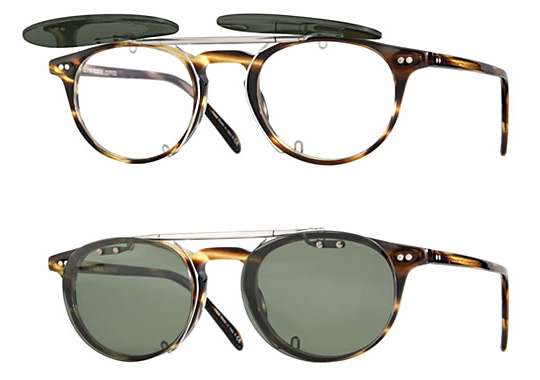
Солнцезащитные очки – важная часть образа. Правильно подобранные, они способны значительно улучшить внешний вид и стать изюминкой образа. А вот если очки не соответствуют типу лица, то все старания могут пойти на смарку. Разбираемся, как не ошибиться в выборе мужских солнцезащитных очков.
Условно все лица можно разделить на лица квадратной или округлой формы. Но чаще лица бывают смешанных типов, которые являются комбинацией черт этих двух основных форм.
Всего различают 7 типов лиц, о которых сейчас расскажем!
1. Квадрат

Владельцам этого типа лица рекомендуется выбирать каплевидную, с закругленными углами или округлую форму солнцезащитных очков, которая зрительно сужает и удлиняет лицо.
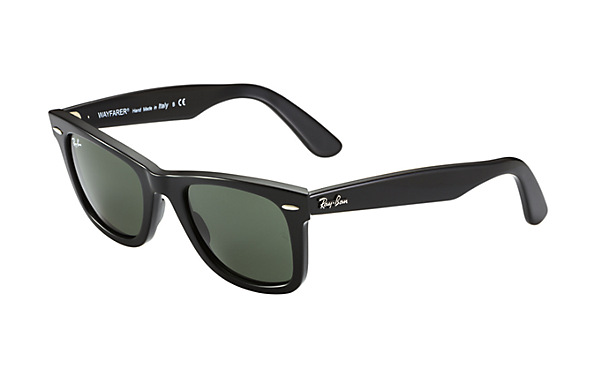
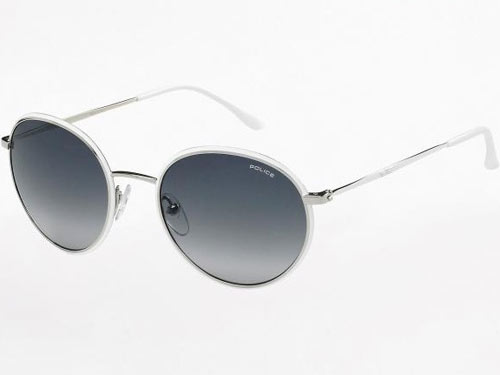
Следует избегать оправ с плоской нижней частью, т.к. это будет подчеркивать угловатые черты лица. Стандартное решение этого вопроса будет – Original Wayfare средняя цена 150$.
2. Овал
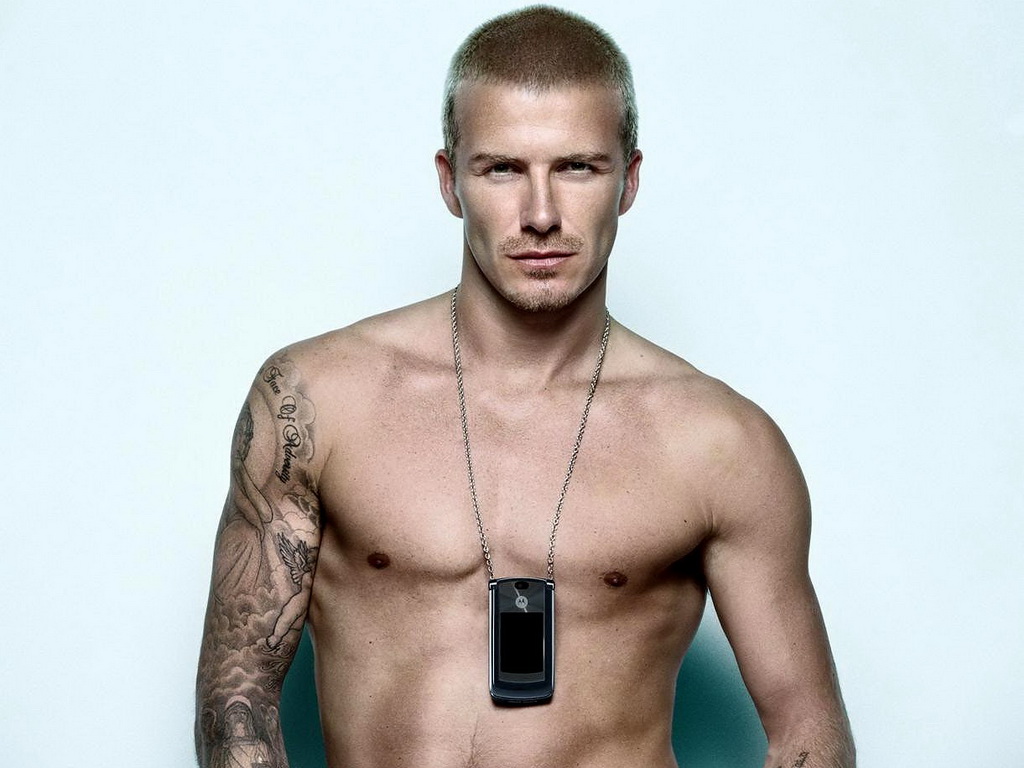
Овальное лицо считается идеальным, поскольку оно обладает правильными пропорциями: подбородок слегка уже, чем лоб, скулы, как правило, высокие. Этому типу подходят практически все формы очков, но нужно помнить, что очки должны быть правильного размера — не шире лица и в не слишком тяжелой оправе, иначе пропорции будут нарушены.
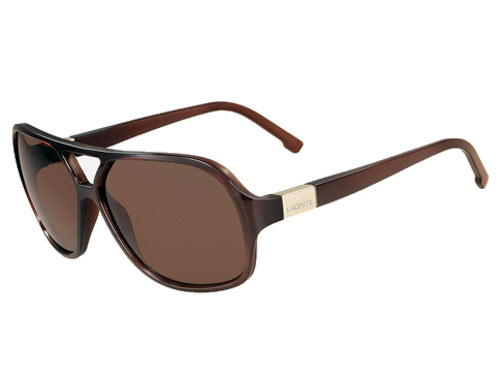
3. Круг
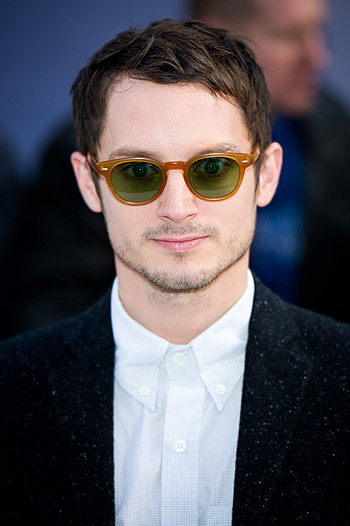
Этот тип лица отличают равномерные пропорции по длине и ширине, поэтому главное в выборе очков – это сделать лицо более узким и длинным. Выбирая оправу, избегайте ярко выраженных углов – слишком закругленная или квадратная оправа лишь подчеркнет «округлости».

4. Ромб

Главная особенность данного типа лица — немного заостренный подбородок в сочетании с узкий лбом с выраженными черепными костями. Очки для такого типа лица должны визуально увеличивать лоб и делать лицо более пропорциональным.
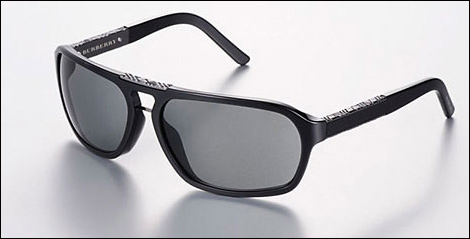
Выбирайте оправы с более массивной верхней частью. Рекомендована также квадратная оправа или оправа с закругленным низом и плоским верхом.
5. Прямоугольник
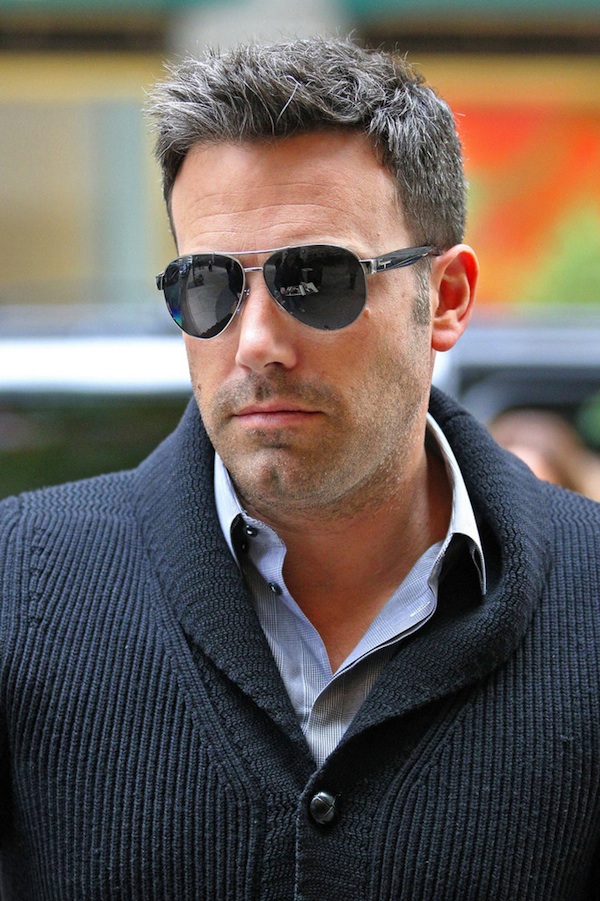
Этот тип лица отличается мощной челюстной костью, но при этом еще и вытянутое. Основная задача очков в данном случае – визуально “разделить” длинное лицо и сделать его короче. Следует выбирать солнцезащитные очки закругленной формы в контрастной оправе.

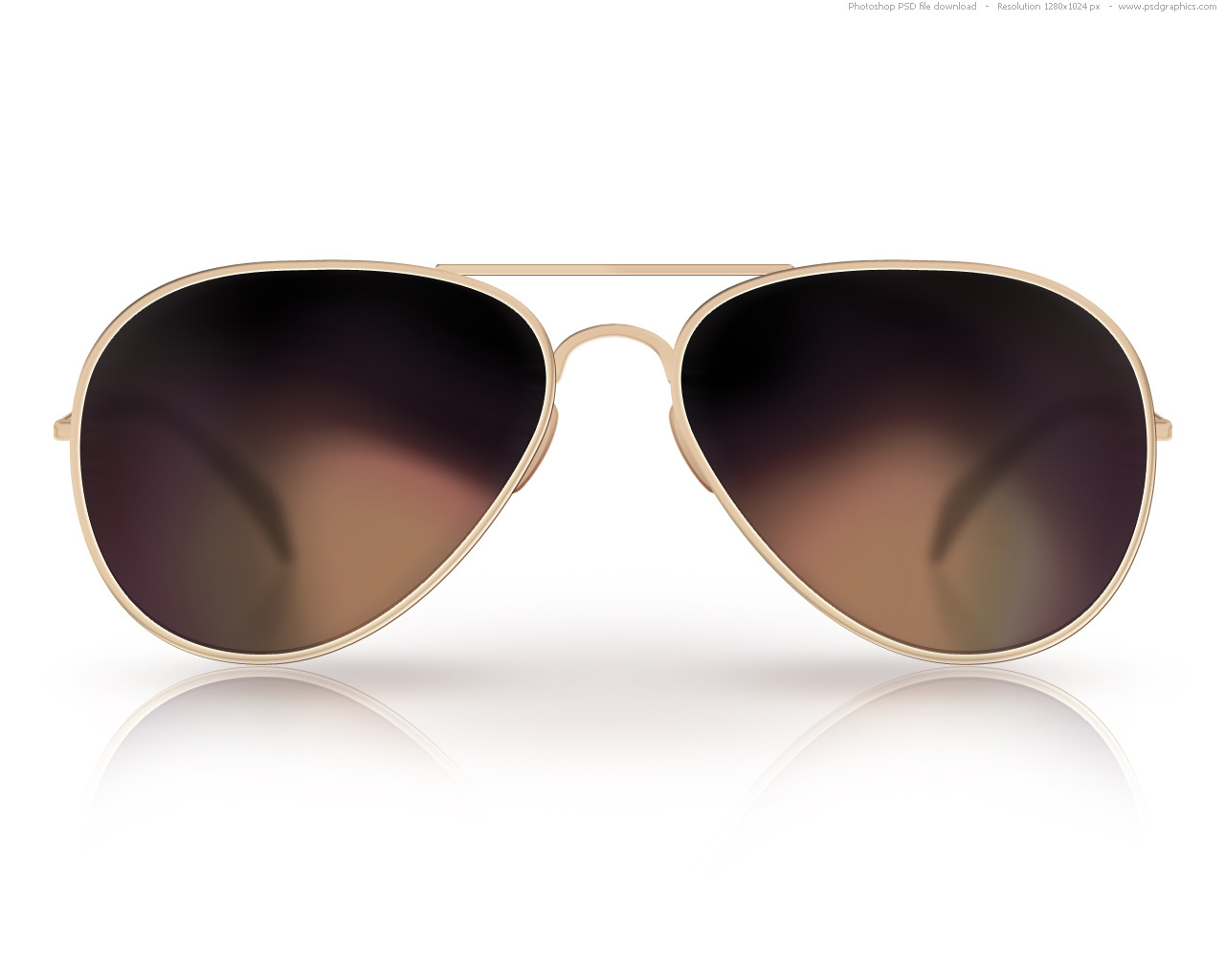
6. Треугольник

Узкий лоб, широкие скулы и подбородок – этот тип лица узнать легко ! Выбираем очки с крупной оправой. Таким образом, мы сбалансируем нижнюю челюсть и акцентируем внимание на верхнюю часть лица. Делайте ставку на яркую оправу и стекла необычных цветов.
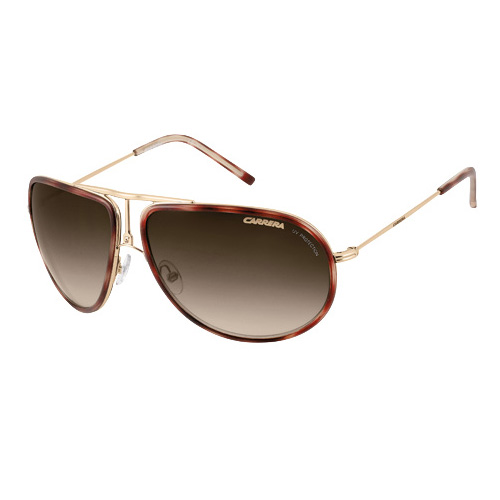
Избегайте моделей с низко посаженными заушниками – оптимальными будут очки-авиаторы или очки с полу-оправой.
7. Перевернутый треугольник

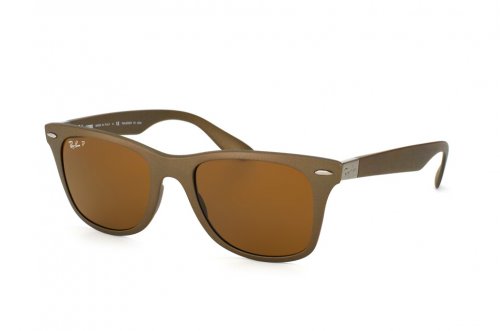
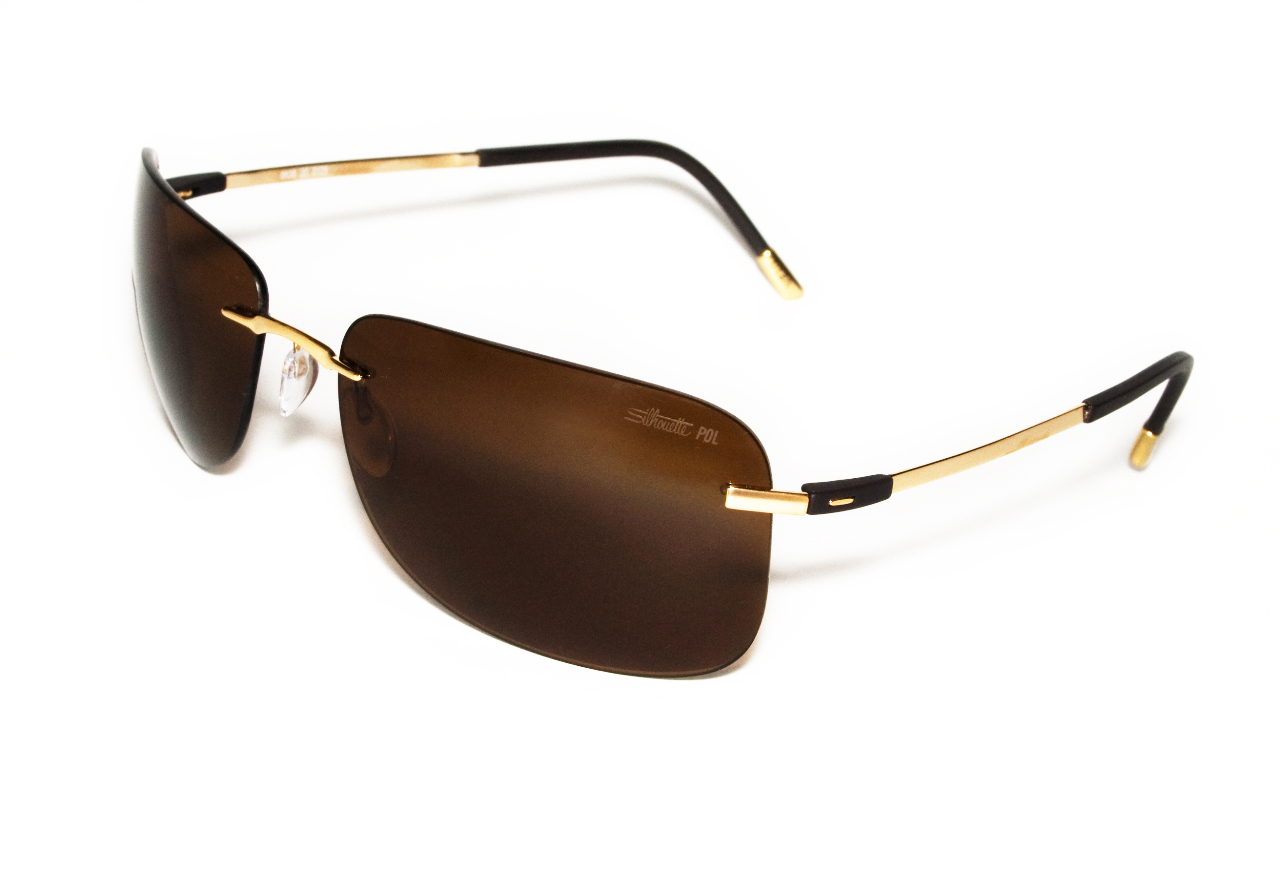
Широкий лоб и острый подбородок. Оправа в данном случае должна зрительно уменьшить верхнюю части лица и компенсировать зауженный к низу подбородок . Хороший выбор – оправа светлого оттенка или модель очков без оправы, а также очки овальной формы. Модели с низко посаженными заушниками компенсируют небольшую диспропорцию.
А вы к какому типу относитесь? Носите ли очки?

Определение своего типажа внешности и личности (цветотип, типаж по Кибби, тип фигуры, психотип) — это ключевой шаг в развитии своего стиля. Все это напрямую влияет на ваш гардероб и те стилевые решения, которые делают ваш внешний вид гармоничным.
К сожалению, далеко не все (мягко говоря) интуитивно могут точно определить свой типаж и понять, в каком направлении им нужно развивать свой стиль.
Если вы затрудняетесь с определением совокупности характеристик своего типажа и хотите получить:
- Во-первых, экспертное заключение по этому вопросу;
- Во-вторых, стилевые рекомендации, которые помогут вам в обновлении своего гардероба и развитии своего стиля в будущем…
…То рекомендую воспользоваться моей новой услугой «Определение типажа внешности и стилевые рекомендации для вашего типажа».
Что вы получите в результате?
- Точное определение вашего типажа. Сомнений больше не будет.
- Стилевые рекомендации в формате «Бери и делай». Вы получите палитры цветов, стилевые приемы и примеры образов для вашего типажа внешности, которые можно сразу же применить на практике;
- Индивидуальный стилевой фильтр. Теперь вы точно будете знать, какие вещи и стилевые решения вам подойдут, а на что не стоит тратить время и деньги.
Если вы хотите в ближайщее время, наконец, разрешить для себя эти важные вопросы рекомендую воспользоваться услугой «Определение типажа внешности и стилевые рекомендации для вашего типажа».

>> Аналогичная услуга для женщин <<
Твой имидж и репутация зависит от того, насколько правильно ты подобрал аксессуары, в том числе и очки. Они являются неотъемлемой частью твоего гардероба, поэтому постарайся выбрать ту форму, которая подчеркнет твой стиль. Сегодня мы поможем тебе в выборе и дадим ценные советы.
Как подобрать очки по форме лица мужчине?
Никогда не уделял достаточно внимания подбору формы и модели очков? А зря, ведь именно они дополняют образ, делают тебя мужественным и стильным. Они произведут впечатление на коллег и женщин, начни выбирать подходящий вариант прямо сейчас!
Лицо треугольник/сердце
У тебя острый подбородок, широкие скулы и лоб? В таком случае тебе можно поэкспериментировать. Идеально подойдут прямоугольные очки, они смягчат заостренный подбородок. Рекомендуем остановить выбор на аксессуаре с не слишком затемненными стеклами.
Как выбрать очки мужчине с круглым лицом?
Для обладателей круглого лица советуем купить аксессуар с достаточно толстой оправой, она будет делать его более вытянутым. Тебе не подойдут узкие очки, желательно чтобы они были круглой, квадратной или прямоугольной формы.
Овальное лицо
Ну что ж тебе повезло, с таким лицом тебе подойдут практически любые очки. Но вот с размером нужно быть осторожным – не покупайте слишком больше. Советуем остановиться на закругленных очках небольшого размера. Если у вас выделяющиеся скулы квадратная или прямоугольная оправа подчеркнет их красоту.
Квадратное лицо
Чтобы смягчить углы, выбирай очки заокругленной формы, они удлинят ваше лицо. Также можешь остановить выбор на продолговатой форме.
Прямоугольное
Держитесь подальше от прямоугольных оправ, они лишь подчеркнут форму лица и зрительно увеличат нижнюю часть. Выберите аксессуар с круглой оправой, она выглядит стильно и необычно.
Теперь ты точно знаешь, какие очки тебе идут и сможешь подобрать подходящие. Создай стильный, мужественный образ!
Как подобрать очки по форме лица мужчине?
Мужская мода, несомненно, более консервативна и строга, чем женская. Чтобы выглядеть стильно, успешному мужчине ни к чему излишний эпатаж или экстравагантность. А вот изящный и функциональный аксессуар, вроде очков, это именно то, что нужно. Однако, нередко встает вопрос о том, как подобрать очки по форме лица мужчине. Ведь здесь есть свои нюансы.
Как мужчине подобрать очки: общие рекомендации
Прежде всего, эксперты советуют руководствоваться таким правилом: к лицу с крупными чертами подойдут очки в массивной темной оправе, лучше прямоугольной формы, закрывающие полностью глазную впадину и даже бровь. К лицу с мелкими изящными чертами подойдут очки округлой формы (или прямоугольной со сглаженными углами) в тонкой металлической оправе. Меньше всего проблема, как подобрать очки к лицу мужчине, должна волновать обладателей классических черт. Им подойдут аксессуары абсолютно любых форм и размеров.
Как мужчине подобрать очки по форме лица?
Однако далеко не всегда общие рекомендации являются исчерпывающими. И решать вопрос, как подобрать оправу для очков мужчине, нужно исходя из персональных параметров конкретного человека. Здесь важен тип лица:
- квадратное с широкой челюстью и лбом можно сгладить, подобрав к нему очки в округлой оправе;
- овальное с высокими скулами и узковатым подбородком – подойдут очки в геометрической оправе с тонким ободком и тонкими дужками;
- продолговатое, вытянутое в длину с тонким носом и высоким лбом – подойдут крупные очки с массивной верхней частью;
- круглое – лучше подобрать квадратные очки или прямоугольную оправу, вытянутую в длину;
- треугольное лицо с широкими скулами и лбом – требуется круглая оправа без излишних декоративных элементов;
- ромбовидное с узкими лбом и подбородком и широкой средней частью – нужна оправа овальной формы.
90000 How to Choose the Best Glasses for Your Face 90001 90002 Round Shaped Faces 90003 90004 People with round faces should choose frames as wide as they are tall, which gives the appearance of a slimmer face. Glasses with strong angles and lines add definition and downplay the fullness of the cheeks. Wearers with round faces should look for vibrant prints, patterns, and colors, and statement-making embellishments that add contrast. Finally, choose frames that do not sit directly on your cheeks.90005 90002 Square Shaped Faces 90003 90004 Glasses wearers with square-shaped faces possess a strong jawline and angular features; if this describes you, choose frames that offer lots of curves to add contrast and soften the angles in your face. When you choose frames with characteristics opposite those of your face shape, you will not exaggerate an already-angular look. Choose frames wider than they are tall to help slim down your face. Frames in neutral colors like beige, cream, and taupe, can further soften your look.90005 90002 Oval Shaped Faces 90003 90004 Wearers with oval faces should choose frames as wide as or slightly wider than the broadest part of the face. Glasses with detailed embellishments also look great with the high cheekbones typically found on oval faces. Choose a classic rectangular shape for a sophisticated, studious look, a retro cat-eye, or a trendy square or round frame. Really, anything goes-the only tip for glasses wearers with oval faces is to resist detracting from the natural balance of your features.Your proportions are already even, so consider carefully when choosing oversized frames. 90005 90002 Heart Shaped Faces 90003 90004 Men and women with heart-shaped faces should choose frames that minimize the top of the face and make the chin look wider. Choosing frames wider than your forehead will help do both. And decorative accents at the endpoints of the frame (think Ray-Ban’s Clubmaster) will help draw the eye away from the forehead. 90005 90002 Diamond Shaped Faces 90003 90004 Characterized by broad, distinctive cheekbones, parallel narrow eye lines, and narrow jawlines, the diamond face shape is the rarest of all.Somewhat similar to the triangle face shape because of its full cheeks, it is actually a silhouette all its own. Once you’ve identified this shape as yours, focus on frames with angular, edgy elements to complement the angular features of your face. This will soften the cheekbones and draw attention directly to your eyes. An added frame width will balance your look and lend a dramatic, stylish touch to your features. Avoid narrow eyeglass frames, as they will further emphasize your narrow eye line.90005 90002 Oblong Shaped Faces 90003 90004 Oblong shaped faces are long and slender and may have high cheekbones, a long nose, and a tall forehead. Wearing tall eyeglass frames will help create a well-proportioned face. Also, broad frames styles with color-accented top rims or decorative temples will help add width to your oblong shaped face. 90005 90026 Women’s Eyeglasses for Round Faces 90027 90026 Men’s Eyeglasses for Round Faces 90027 90026 Women’s Sunglasses for Round Faces 90027 90026 Men’s Sunglasses for Round Faces 90027 .90000 Face Shape Guide, How to Choose Best Glasses for Oblong Shap 90001 90002 Write a comment 90003 90002 90005 Manish | 90005 : April 18 2017, 2:32 p.m. 90003 90002 90009 90003 90002 90012 A long face usually means an oblong face shape. It encompasses features like a long and narrow bone structure with straight cheek line. Although longer faces are symmetrical but choosing the wrong frame shape can elongate the shape even more. So, it is always recommended that you shop spectacles frames that balance your natural face shape.And if you too have this kind of a face shape, then here are some handy tips that will help you know about which are the best glasses for a long face shape that you need to purchase or upgrade for a stunning look. 90013 90012 90013 90012 90017 Ideal Spectacle Frames for Oblong Face Shape 90018 90013 90012 90013 90012 If you have a long aka oblong face, your focus should be to divert the attention from the length. So, choose wider glasses for long face shape as they add width to your face and make it look less long.Also, you can choose frames that have more depth than width, or contrasting or decorative temples. One with a low bridge will also make your nose appear shorter. 90013 90012 90013 90012 Another option is to opt for sharp looking frames like those with square shape. They will accentuate the sharp features on your face and break the long lines of your face. 90013 90012 90013 90012 90017 Best Eyeglasses Frames for Oblong Face 90018 90013 90012 90013 90012 90037 90013 90012 90013 90012 Pilot frames, geometric frames, decorative frames, round frames and square frames.90013 90012 90013 90012 90017 Eyeglasses to Avoid for an Oblong Shaped Face 90018 90013 90012 90013 90012 90052 90013 90012 90013 90012 90017 1. 90018 Narrow and short frame shapes 90013 90012 90017 2. 90018 As they accentuate the length of your face making it look even taller than it actually is. 90013 90012 90013 90012 Online you will find eyeglasses suitable for every face shape.Be it square, round, heart-shaped, oval or diamond shape. You just need to analyse yours and then buy the appropriate frame. 90013 90003 90002 Share with us: — 90003 .90000 The Best Glasses For Your Face Shape 90001 90002 90003 The trick to the perfect pair of glasses is all about finding the right fit for your face shape. 90004 90005 90002 There are so many styles of glasses on the market, but sometimes it’s the frame that you would not normally choose that will suit you the most. 90005 90002 All of the prescription frames featured in this post are from 90009 90003 Shade Station 90004 90012. They offer an unparalleled choice of frames which are available next working day.On Ray-Ban frames like mine, they provide a next day service on glazed (prescription) product from their very own state-of-the-art lab; and free clear Ray-Ban stock lenses, 1.5 index which are suitable for most weak to mild prescriptions. 90005 90002 90003 Follow my glasses frame guide for square, round, oval and heart-shaped faces to find the best pair of specs for you. 90004 90005 90018 Glasses for square face shapes 90019 90002 90005 90022 Do you have a square shaped face? 90023 90024 90025 90003 The length and width of your face is equal 90004 90028 90025 90003 Prominent forehead 90004 90028 90025 90003 Strong jawline 90004 90028 90025 90003 Angular chin 90004 90028 90041 90022 What frames to choose 90023 90002 If you’re a square shape, you really want to 90009 90003 soften the silhouette of your face 90004 90012.90005 90002 Wearing a rounder style with a thinner frame will lighten and soften your face. 90005 90002 You can, however, go for a super-sleek and masculine shape by wearing darker frames. Avoid anything too heavy around the eyes to keep it masculine without being overpowering. 90005 90002 I’m wearing 90009 90003 Ray-Ban RX7069 (matte black) 90004 90012 90005 90002 90005 90002 90005 90002 90005 90002 90009 90003 I’m wearing Ray-Ban RX5184 90004 90003 (Dark Havana) 90004 90012 90005 90002 90005 90002 90005 90018 Glasses for round face shapes 90019 90022 90023 90022 Do you have a round faced shape? 90023 90024 90025 90003 Equal length and width 90004 90028 90025 90003 Soft angles 90004 90028 90025 90003 Full cheeks 90004 90028 90025 90003 Delicate features 90004 90028 90041 90022 What frames to choose 90023 90002 Angular frames will help to take the roundness off your face.90005 90002 Go bold — 90009 like I’ve done here 90012 — with pattern and colour to really highlight the face and add more structure to it. 90005 90002 Avoid anything too harsh — 90009 round or square on the face 90012 — as they will emphasise the roundness of your face. 90005 90002 90009 90003 I’m wearing Ray-Ban RX7074 (blue) 90004 90012 90005 90002 90005 90002 90005 90002 90005 90002 90005 90018 Glasses for oval face shapes 90019 90022 90023 90022 Do you have an oval shaped face? 90023 90024 90025 90003 Most common and versatile 90004 90028 90025 90003 Slightly narrower chin than forehead 90004 90028 90025 90003 Proportions are balanced 90004 90028 90025 90003 High cheekbones 90004 90028 90041 90022 What frames to choose 90023 90002 Most frame shapes will suit an oval face.90005 90002 But if you really want to keep your proportions in check, choose frames that are broader than the widest part of your face. 90005 90002 Bold and oversized frames work particularly well. Strong, rectangular shapes can be risky, but you can go for something like these black Ray-Ban glasses that have a slightly rounded bottom to them. 90005 90002 90009 90003 I’m wearing Ray-Ban RX5184 (red interior on black frames) 90004 90012 90005 90002 90005 90002 90005 90018 Glasses for heart shape faces 90019 90022 90023 90022 Do you have a heart shaped face? 90023 90024 90025 90003 Wide forehead 90004 90028 90025 90003 Narrow chin 90004 90028 90025 90003 High cheekbones 90004 90028 90025 90003 Narrow jawline 90004 90028 90041 90022 What frames to choose 90023 90002 With a heart shaped face, you really want to try and balance out the wider forehead with narrow chin.90005 90002 Softer and rounder frames will soften the face where it’s needed — right across the cheekbones. 90005 90002 Adding detail to the top of the frame is another great way to shape the face and keep the balance. 90005 90002 90009 90003 I’m wearing Ray-Ban RX7097 (Havana with gold arms) 90004 90012 90005 90002 90005 90002 90005 90002 90005 90002 90005 90002 Check out all the frames available from Shade Station 90009 90003 here 90004 90012 90005 90002 90005 90224 90225 .90000 How to choose the right glasses for your face shape 90001 90002 Are you looking for the perfect pair of glasses for your face shape? Whether you have a round, oval or square-shaped face, there’s a pair out there made just for you! Here’s a guide to help you find the perfect frame according to your face shape. 90003 90004 What is my face shape? 90005 90002 Did you know that most people change their eyeglasses approximately every 3 years? When it’s time to get new glasses, you want to make sure you get the shape right! With so many glasses to choose from, knowing what suits you best can really help in bringing out your unique facial contours.90003 90002 Many people change their eyeglasses so seldom because of the expected cost in many retail locations. And lens manufacturers feature products can sometimes break the thousand dollar barrier- no wonder most people try to get the most wear out of each pair of glasses they purchase! 90003 90002 This also can mean it may be an expensive proposition to choose a frame that’s a little out of your «comfort zone». With our 90011 Try On View 90012 you can begin to see how that frame may look on you when it arrives and regardless, 90011 our 14-day exchange / return policy 90012 gives you peace of mind should the glasses arrive and not be everything you ‘ d hoped.90003 90016 90017 What is my face shape? 90018 90019 90002 In order to choose properly, you first need to identify your facial features. There are 5 main categories of face shapes: 90003 90022 90023 Square 90024 90023 Round 90024 90023 Heart 90024 90023 Triangular 90024 90023 Oval 90024 90033 90002 To assess your own facial structure keep reading but remember that this is a guide, not a rulebook- if you like the look of a frame on yourself, own it! Making your own style rules can be a fun and expressive way to show your individual personality and spirit.90003 90002 If you’re looking for assistance to achieve a classically good looking pair for your face shape, however, read on for our tips on assessing your own face and choosing a frame that will accentuate the advantages you were born with! 90003 90016 90017 Glasses for All Kinds of Shapes 90018 90019 90002 Here’s the truth about face shapes: almost nobody is a perfect heart, circle, square, or any other narrowly defined category. 90011 Most faces are a combination of a few different shapes 90012: rounded chins and tall foreheads, angular features and tapered jaws, and so on.90003 90002 Trying to pick just one stock image out of a lineup can feel impossible. What you want is the shape that looks the most like yours — even if your chin is a little more pointed than the «typical» oval, or your forehead a little wider than the «usual» inverted triangle. These are all just guidelines to help you determine how to balance and complement your features, not unbreakable rules. 90003 90002 Once you’ve recognized your face shape, you can find which frame shape will bring a natural balance to your face.This guide will help identify the type of glasses shape you should look at when browsing online or in store. 90003 90002 For a bare bone, just-the-facts assessment, look at your jawline in the mirror. Is your jawline more curved or is it leaning towards the more angular side of things? For the simplest assessment of your face, 90011 decide if your jawline is more «round» or «square» 90012. For a more detailed examination of your facial structure, see below. 90003 90002 Scroll through our guide to know the appropriate glasses for face shapes: 90003 90056 90004 90011 Glasses for Square Face Shape 90012 90005 90056 90002 90003 90064 90002 Square Face Shape 90003 90002 Square faces often have bold, angular features and cut a clean, straight line from the forehead to the jaw.Rounded and thinner frames that are slightly wider on the side will have a harmonious and natural look on square faces. 90003 90002 Square-shaped faces will want to choose the opposite shape for glasses such as: 90003 90002 You will want frames that are proportional to the length and width of your face. Round and oval-shaped frames will soften the hard angles in a square shaped face and add balance. They also suit diamond-shaped faces. 90003 90002 90011 Draw attention away from the angles: 90012 The best way to flatter the facial features of a square face is to bring the attention away from the square shape with 90011 coloured 90012 90011 frames 90012.90003 90016 90017 Sunglasses for Square face shape 90018 90019 90002 If you’re shopping for sunglasses for a square face, choose curved sunglasses designs that are wider — these will help soften sharp angles and balance your cheekbones. And for a bold statement, give cat-eye shades a try. 90003 90002 Shop Glasses for Square Faces >> 90003 90056 90004 90011 Glasses for Round Face Shape 90012 90005 90056 90002 90003 90097 90002 Round Face Shape 90003 90002 Round faces are all soft curves and smooth lines with a face that is roughly the same width from the jaw up through to the brow.With round faces, the cheeks are usually full and the chin is rounded with very few angles. Unlike some other face shapes, a round face is often very distinguished because it is all about the curves. 90003 90016 90017 Fitting Tips 90018 90019 90002 The most important thing to remember when choosing glasses for round face shapes is to select 90011 frames that work to add angles 90012. They look great in bold, angular glasses with clean lines. 90003 90002 Below are a few tips to keep in mind when you search.90003 90022 90023 90011 Rectangular frames 90012: break up the face structure, which can make your face appear longer and thinner. 90024 90023 90011 Angular and geometric frames 90012: add some sharper, more distinct lines to your face in order to create a balance. 90024 90023 90011 Upswept 90012 90011 frames such as cat-eye or D-frame 90012: if you have full-bodied curvy cheeks, try to draw attention to them while simultaneously placing the focus on your eyes. 90024 90033 90002 And if you’re looking for sunglasses for round faces, have a look at our suggestions of rectangular, D-frame, or squared-off cat-eye sunnies.90003 90002 Shop Glasses for Round Faces >> 90003 90056 90004 90011 Glasses for Heart Face Shape 90012 90005 90056 90002 90003 90140 90002 Heart Face Shape 90003 90002 Heart-shaped faces are widest at the brow, narrowing down through to the chin with high cheekbones. This face shape can be either long or round and often gives the owner a sweet and cheerful look. 90003 90002 This is typically thought of as the most versatile of all the face shapes. They look great in winged-out frames that jut out slightly wider than their forehead and rounded bases to balance and complement their features such as: 90003 90022 90023 90011 Bottom-heavy frames: 90012 If your chin is especially narrow, you may wish to create a bit more width.90024 90023 90011 Frame with low-set temples: 90012 If you’re conscious of your forehead’s width, choosing this style will draw attention downward, emphasizing the lower part of your face. 90024 90023 90011 Oval-shaped frames: 90012 if you have a pointy chin by selecting an oval frame shape works wonders for drawing attention upward toward your eyes. 90024 90023 90011 Light-coloured or rimless frames: 90012 minimize the look of glasses on your heart-shaped face by selecting a style with an unobtrusive frame.90024 90033 90016 90017 Shopping for sunglasses that’ll suit your heart face? 90018 90019 90002 Find frames that are proportionate to your face by looking for styles that have a deep base and subtle wingtips that are slightly wider than your forehead. Aviators and D-frame sunglasses are great options. 90003 90002 Shop Glasses for Heart-Shaped Faces >> 90003 90056 90004 90011 Glasses for Triangle Face Shape 90012 90005 90056 90002 90003 90181 90002 Triangle Face Shape 90003 90002 Triangular faces are widest on the bottom, narrowest on top.So you want to find a mirror-opposite frame: bold on top, light on the bottom. With a mix of round and angular shapes such as the following will particularly fit triangular faces: 90003 90022 90023 D-frames 90024 90023 aviator 90024 90023 cat-eyes glasses 90024 90033 90002 And if you want to make a bolder statement, a round style offers an interesting juxtaposition to angular features. 90003 90016 90017 Are you in search of sunglasses for a triangle face shape? 90018 90019 90002 Balance your features with a pair of sunnies that are the complete opposite in structure; look for designs that are widest at the top and narrowest at the bottom, like 90011 cat-eye sunglasses 90012 or 90011 D-frame shapes 90012.Sunglasses with a wider or bolder browline will draw attention away from your jawline and elongate your forehead. 90003 90002 Shop Glasses for Triangle Faces >> 90003 90056 90004 90011 Glasses for Oval Face Shape 90012 90005 90056 90002 90003 90216 90002 Oval Face Shape 90003 90002 People with oval faces fit with most frame shapes. With a narrower forehead and slightly narrow chin, oval is considered the most universal face shape — so have fun with the latest trends because most work for you.90003 90002 This, however, does not mean that you can pick up any frame off the shelf. A frame should emphasize the strong points and deemphasize the weak points of your face so that your face looks perfectly balanced. For an oval face, it means emphasizing the natural balance of the face and adding angles to its soft curves. 90003 90002 Look for a frame that is as wide as the widest part of your face, which is the area around the eyes. In this respect, the most suitable eyeglasses frames for oval faces are: 90003 90022 90023 square, 90024 90023 rectangular or 90024 90023 geometric shapes.90024 90033 90016 90017 Looking for sunglasses for your oval face? 90018 90019 90002 You can have a little — or a lot — of fun with your eyewear choices! You can dare to be bold with a statement-making style, like a fierce cat-eye or an edgy pair of aviators. If you’d like to keep it classic instead, you’ll love our iconic D-frame sunnies. 90003 90002 Shop Glasses for Oval Faces >> 90003 90056 90002 90003 90002 90245 90003 90004 Ready to Find Your Perfect Pair of Glasses? 90005 90002 Now that you know how to find the right glasses for your face shape, you’ll be able to find a pair that will look harmonious and will bring a natural balance to your face.Each collection of glasses offers frames for round, oval, square, triangular or heart-shaped faces. And it’s also valid for sunglasses! 90003 90002 Need more tips to buy your glasses online? Our Ultimate Guide to Finding the Perfect Pair of Glasses provides more information on tailoring your frame style to ensure the perfect fit, shopping by frame type, and tips for complementing your eyewear to your hair and eye colour, and skin tone. 90003 90002 Our special features will help you find glasses for small faces, large forehead or high cheekbones! Just select your face shape and get a curated collection of frames that will best suit you.Or dive into browsing our extensive selection of frames. Choosing a pair of glasses has never been this easy! 90003 90002 Shop With Face Shape Guide >> 90003 90002 Shop all glasses >> 90003 90002 Shop Sunglasses >> 90003 .